Core Traits That Set Boutique Hotels Apart
Size is one of the most common features. A smaller room count often makes it easier to create a quieter atmosphere and more direct service. Staff can often respond in a more flexible way because the property is working at a different scale than a large branded hotel. That smaller format also gives the hotel more room to shape its own identity, from the lobby layout to the style of guest rooms and shared spaces.
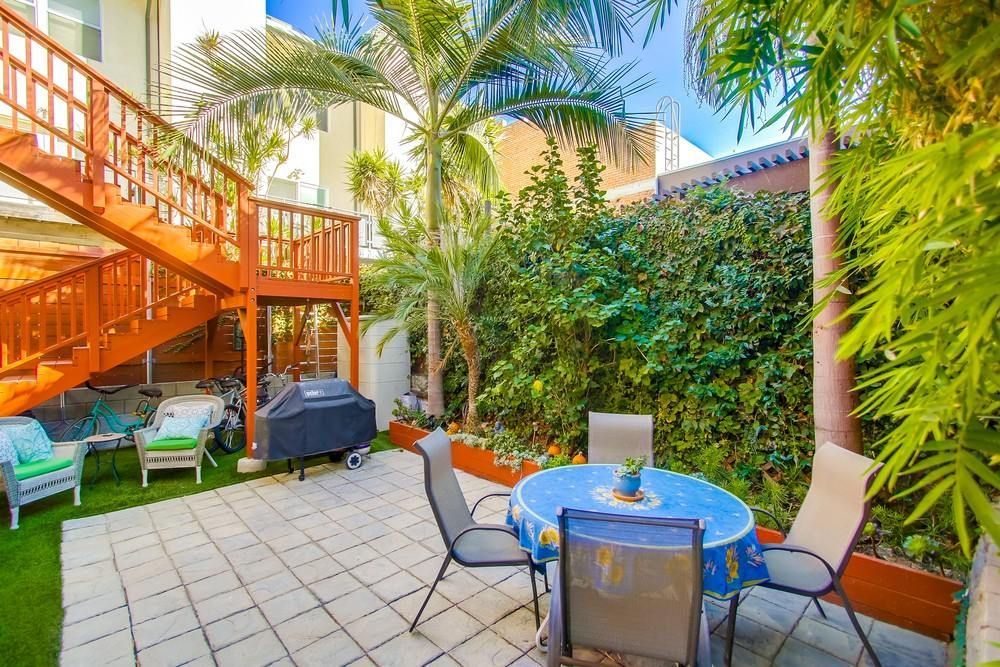
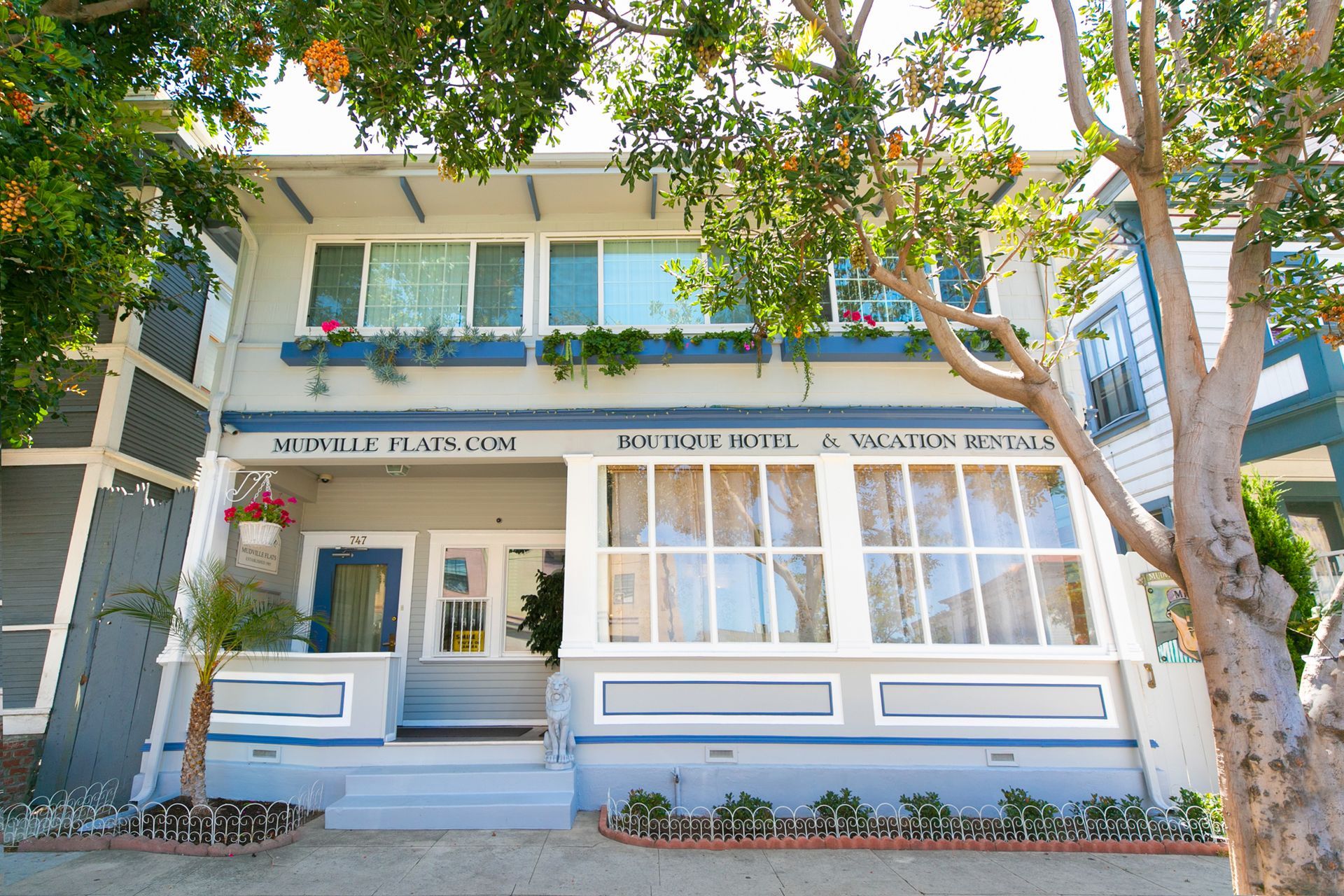
Design is another major part of the boutique hotel definition. These properties are usually built around a particular look, mood, or story. Some are set in restored historic buildings. Others use contemporary interiors, local art, or architecture that reflects the neighborhood around them. What matters most is that the design feels intentional and specific. A boutique hotel is not just a small hotel. It is a hotel with a point of view.
Local character also plays a big role. Many boutique hotels connect their identity to the place where they operate. That can show up in the building itself, the food and drink program, the materials used in the rooms, or the overall mood of the property. Instead of offering the same experience in every city, boutique hotels often try to feel rooted in one destination. That connection to place is part of what many travelers are looking for when they choose this kind of stay.
How Boutique Hotels Differ From Chain Hotels
The biggest difference between boutique hotels and chain hotels is usually consistency versus individuality. Chain hotels are built around brand standards. That can make them feel familiar from one trip to the next, which many travelers value. Boutique hotels tend to move in the opposite direction. They usually focus on a distinct atmosphere, a more flexible service style, and details that are not meant to match another property somewhere else.
That difference affects the guest experience. In a chain hotel, the main appeal is often predictability. In a boutique hotel, the appeal is usually personality. Some travelers want the comfort of knowing exactly what the room, amenities, and check-in process will be like. Others want a place that feels more original and more closely tied to the destination. Neither approach is automatically better, but they serve different priorities.
What Travelers Can Expect From a Boutique Hotel Stay
A boutique hotel stay often feels more personal because the property is working with fewer rooms and a stronger sense of identity. Service can be more tailored. Public spaces often feel more intentional. The hotel may also attract travelers who care as much about the atmosphere of the stay as the location itself. That does not mean every boutique hotel offers luxury in the traditional sense. Some are upscale, while others are simple but highly distinctive. The common thread is that the stay feels curated rather than generic.
Price can vary more than many people expect. Boutique hotels are sometimes more expensive because limited room inventory and personalized service can raise operating costs. At the same time, boutique does not automatically mean luxury, and some properties can be competitive with branded hotels depending on the market, season, and amenities included. That makes it important to judge each property on its own terms rather than assume every boutique hotel will fall into one price tier.
Who Typically Chooses a Boutique Hotel?
Boutique hotels often appeal to travelers who want more than a place to sleep. They can be a strong fit for people who care about design, neighborhood character, and a stay that feels connected to the city or region they are visiting. They also appeal to travelers who prefer a smaller setting and more personal interaction over the uniform systems that come with large hotel brands.
Final Thoughts on the Boutique Hotel Experience
A boutique hotel is best understood as a small, distinctive hotel shaped by personality, design, and a more individual style of hospitality. The category is flexible, and there is no strict rulebook, but the most common themes stay consistent: fewer rooms, intentional design, personal service, and a strong sense of place. When people ask what a boutique hotel is, the simplest answer is that it offers a stay designed to feel specific, not standardized.