Petco Park is a natural place to begin exploring this part of the city. During baseball season, the stadium anchors the East Village with Padres games, and on non-game days it still stays active through guided tours. Current tour offerings include daily behind-the-scenes access, with routes that typically run about 80 minutes and cover areas beyond the seating bowl. That gives the ballpark value even for anyone visiting outside a game date.
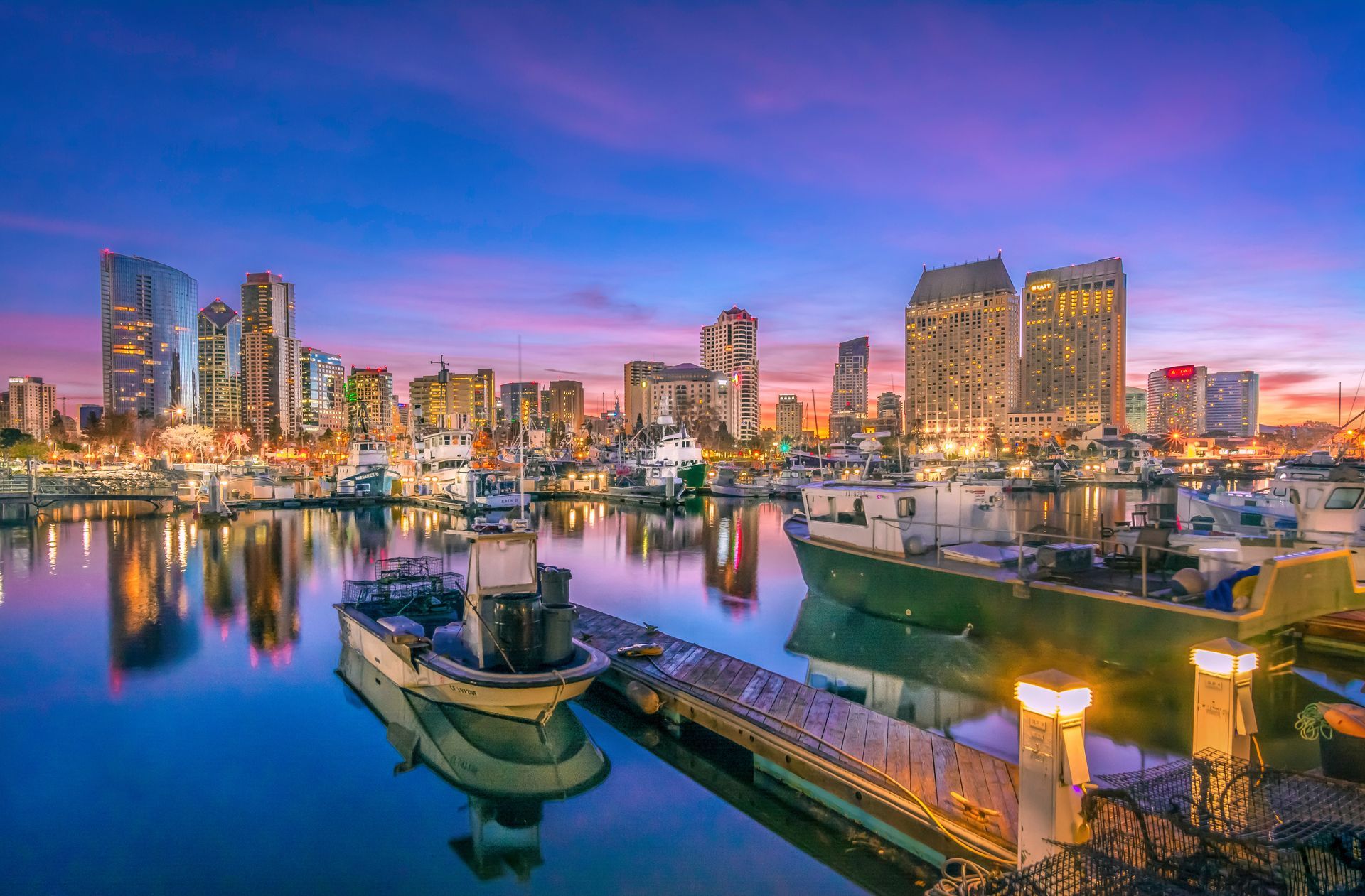
From there, the harbor and Embarcadero open up a different side of San Diego. This waterfront zone mixes walking paths, marina views, public spaces, and a large collection of bayfront art.
Embarcadero Marina Park North adds another stop along the route, with bike access, picnic space, and direct views over the water. The area feels active without needing a fixed schedule, which makes it one of the simplest parts of downtown to explore at your own pace.
portofsandiego.org
Seaport Village fits naturally into that waterfront stretch. The complex sits on West Harbor Drive and remains open daily, with a mix of small shops, casual food options, bayfront restaurants, and regular live entertainment programming. It is a good place to slow down between larger attractions, especially because the setting does as much of the work as the storefronts. The location keeps the focus on the water, with broad views that tie the whole downtown shoreline together.
seaportvillage.com
A short ride inland leads to the
San Diego Zoo in Balboa Park. The zoo remains one of the city’s signature attractions, and its location makes it a practical addition to a downtown itinerary rather than a separate trip. It sits on Zoo Drive in Balboa Park, just minutes from the urban core, and current visitor planning information notes paid parking at the zoo beginning in 2026. That combination of central location and established name keeps it high on nearly any short list of major San Diego stops.
Back downtown, the
Gaslamp Quarter adds the city’s historic core to the mix. The district runs through a compact section of downtown and blends preserved older buildings with restaurants, shops, galleries, and entertainment venues. Its appeal comes from the contrast between historic streetscapes and the steady pace of modern downtown activity. During the day it works as a walkable neighborhood break, and at night it shifts toward dining and events.
Two waterfront museums round out the area with a stronger sense of San Diego’s maritime history. The USS Midway Museum welcomes visitors daily from 10:00 a.m. to 5:00 p.m., with last admission at 4:00 p.m., and the ship itself stands out as one of the most recognizable sights on the harbor. Farther along the bay, the
Maritime Museum of San Diego centers its visit around a fleet of historic vessels that includes the Star of India, HMS Surprise, and San Salvador. Together, they add a deeper historical layer to the same waterfront corridor that also carries the city’s most relaxed views.
To end the day with a different view, check out the
Coronado ferry, which carries passengers from downtown San Diego across the bay to Coronado. Service runs daily, with departures from Broadway Pier on the hour and from the Convention Center on the half hour. The trip takes about 15 minutes and adds another look at the skyline, the harbor, and the waterfront along the way. It works well at the end of a downtown itinerary because it extends the experience without pulling you far from the bay.