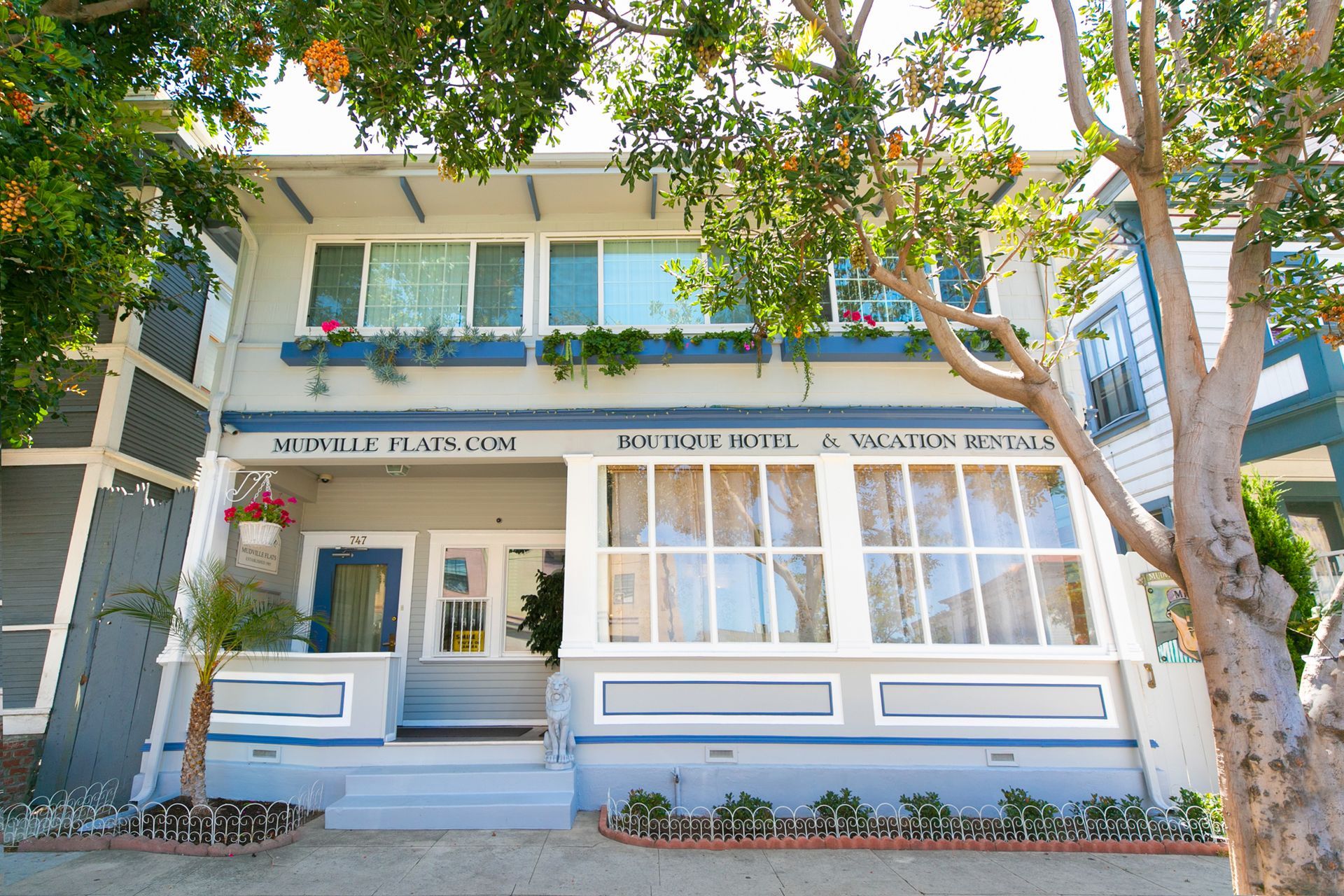
One of the defining ideas behind the Craftsman style is that a house should feel connected to both nature and daily life. These homes often use natural materials such as wood, stone, brick, and stucco, helping them blend into their surroundings. Earth-toned color palettes are common, reinforcing the sense of harmony with the landscape. From the outside, Craftsman homes are typically recognizable by their low-pitched gabled roofs, broad overhanging eaves, and exposed rafters or decorative brackets. Many also feature large front porches supported by thick, tapered columns set on sturdy bases made of stone or brick. These porches are more than decorative elements; they create a welcoming transition between the outdoors and the interior of the home.
The interior of a Craftsman home reflects the same values seen on the exterior. Rooms are designed to be comfortable, functional, and rich in detail without being overly formal. One hallmark of the style is the use of built-in features, such as bookcases, cabinets, benches, and window seats. These details add both beauty and practicality, making the home feel thoughtfully planned and handcrafted. Woodwork plays a major role as well. Trim, beams, molding, and paneling are often made from oak, fir, or other richly toned woods, giving the interior a sense of depth and character. Fireplaces are usually central features in living rooms, often finished with brick, tile, or stone to create a strong visual anchor.
Craftsman homes also tend to have floor plans that emphasize usefulness and comfort over grandeur. While they may include open flow between main living areas, they usually maintain a sense of coziness and separation that many people find appealing. Dining rooms are often prominent and connected closely to the kitchen, reflecting the style’s focus on family life and everyday living. Windows are usually arranged to bring in natural light while preserving a sense of structure and balance. Many feature divided panes in the upper sash, adding subtle decorative interest without overwhelming the design.
Another reason Craftsman homes remain popular is their strong sense of authenticity. The style celebrates construction rather than hiding it. Structural elements such as beams, brackets, and rafters are often left visible, turning craftsmanship itself into a design feature. This honesty in design gives Craftsman homes a feeling of solidity and permanence. Even when newer houses borrow Craftsman elements, the appeal often comes from this same sense of care, detail, and human scale.
Although the style is often associated with the classic bungalow, Craftsman design appears in homes of many sizes. Some are compact and simple, while others are larger and more elaborate. What unites them is a shared emphasis on craftsmanship, natural beauty, and practical elegance. In a time when many houses can feel generic or overly stylized, Craftsman homes continue to stand out for their balance of beauty and function. They offer a vision of home that feels welcoming, grounded, and deeply connected to the idea that good design should serve everyday life.